Day 19, Fri 4 October

In the Medici quarter of Florence sits the Laurentian library designed by Michelangelo and once home to one of the most prestigious collections of antique manuscripts in Italy. Adjoining this is the Basilica di San Lorenzo, last resting place for many of the Medici dynasty and a building considered a…

Day 20, Sat 5 October

Today you can choose guided art explorations in Florence, free time to do your own thing, or more guided hiking in the surrounding hills. (Hike duration 4-5 hours, distance 15kms). The art tour begins with a visit to the Bargello, an austere fortress holding a remarkable collection of key Renaissance…

Day 21, Sun 6 October

Our last full day together in Italy begins with a free morning for sleeping in or last-minute shopping. In the afternoon we will visit the beautiful church of Santa Maria Novella with Leon Battista Alberti’s façade. Inside the church we will view Masaccio’s Trinity, a frescoed altarpiece employing Brunelleschi’s new…

Day 22, Mon 7 October

The tour officially draws to a close at our hotel after breakfast. Check out time is 10am. Taxis will be available (at your own expense) for transfers to the railway station, airport or elsewhere as necessary. Meals included: breakfast.

Meet the Patrons

This tour will emphasise the importance of Renaissance art patronage with its diverse personal, dynastic, religious, political and cultural agendas. The strong spirit of competition amongst both corporate and individual patrons helped foster some renowned patron-artist relationships and highly innovative artistic approaches. Corporate patronage included the Papal bureaucracy, the works…

Meet the Architects

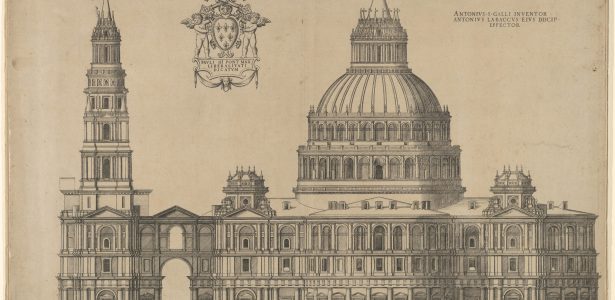
In the Middle Ages, architects were regarded as practical master masons, stone workers or wood workers. During the Renaissance they were given the Greek designation “architect”, they were no longer anonymous, a few were even educated in geometry and Latin, they made very detailed plans and models for their patrons,…

Meet the Painters

The notion of a solitary artist hidden away in his or her studio, expressing an idea in visual form for exhibition or for someone to perhaps purchase on spec, was uncommon in the Renaissance. This might have been true of small devotional images and domestic items, but larger scale works…

Meet the Sculptors

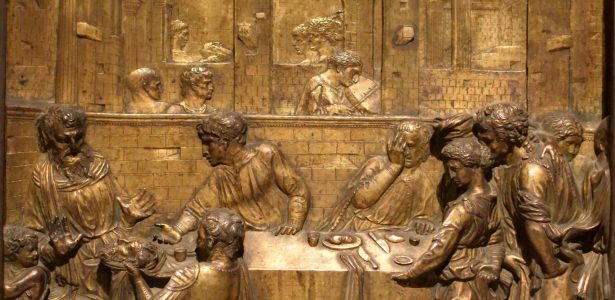
Renaissance artists and intellectuals keenly debated the relative worthiness of painting and sculpture. This hot topic of the day was called the paragone (Italian, comparison) and was paralleled by a discussion of the relative merits of painting and poetry. Leon Battista Alberti’s treatise On Painting (1435) asserted the pre-eminence of…